Fujian Panorama | 5-Day In-Depth Tour of Xiamen, Gulangyu Island, Fujian Nanjing Tulou, Xiamen City, and Wuyishan
Meals: Self-provided
Accommodation: Xiamen City
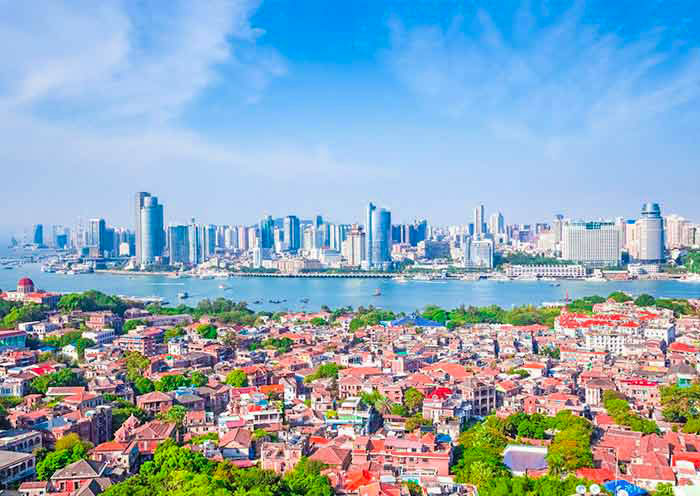
Hello, welcome to Xiamen , a famous coastal city in Fujian Province, China, where mountains and sea meet and Chinese and Western cultures blend . Our driver will meet you at the airport/train station exit and take you to our carefully selected hotel for check-in.
After a short rest, you will be transferred to the port for a 20-minute ferry ride to Gulangyu Island. Gulangyu is one of the most beautiful islands in Xiamen, Fujian Province. In 2017, it was listed as a "Historic International Settlement" and is one of the must-see destinations for tourists visiting Fujian. The island boasts 931 historical buildings with a blend of Chinese and Western architectural styles, including Gothic churches, Baroque consulates, and traditional Minnan red-brick houses, earning it the nickname "World Architecture Expo." Furthermore, the island has the highest per capita piano ownership rate in China and is home to China's first piano museum and the world's largest organ museum. It has also nurtured numerous renowned musicians both domestically and internationally, earning it the titles of "Island of Music" and "Island of Pianos." In addition, the island prohibits motor vehicles, adding to its tranquil atmosphere. You can leisurely stroll and enjoy the picturesque island scenery, fully appreciating the elegant charm of this "Garden on the Sea."
Today's tour of Gulangyu Island offers a cultural and historical architecture tour (approximately 4 to 5 hours) : taking you to visit old buildings of different styles and learn about the historical stories behind them.
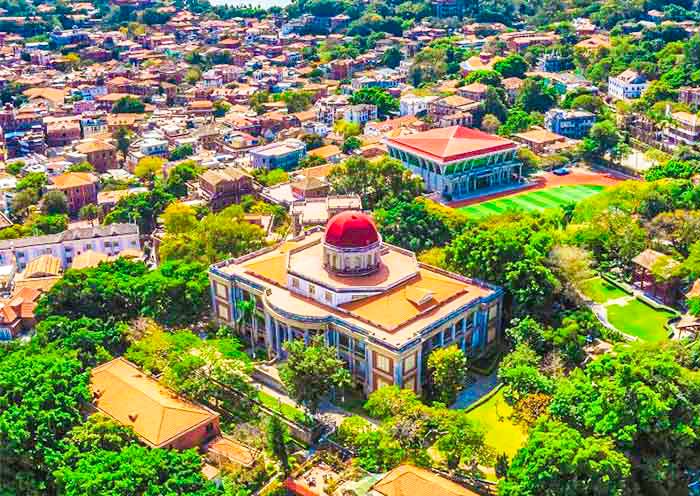
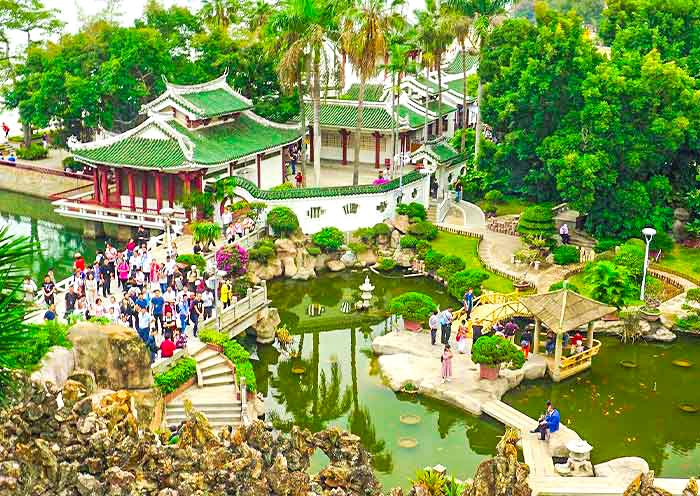
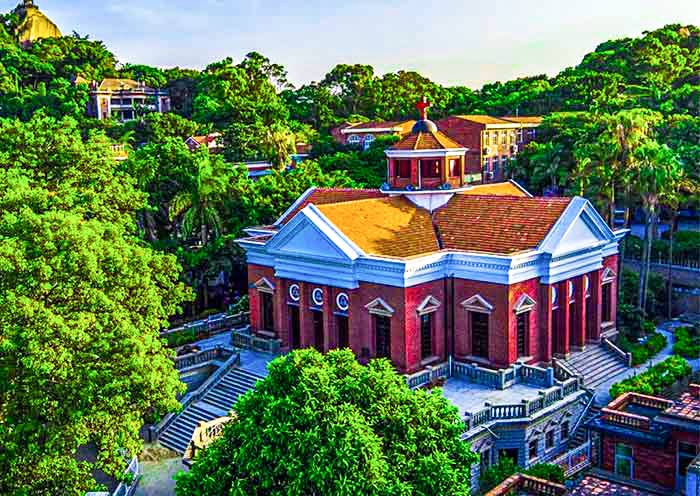
Stops along the way: Sanqiutian Wharf (one of the earliest wharves on Gulangyu Island) → Boat House (Gulangyu's only villa designed in the shape of a ship, and a rare boat-shaped villa in the world) → Bagua Building (China's only and the world's largest pipe organ museum, its architecture blends ancient Greek, ancient Roman, Islamic, and Minnan styles. Known as the "Little White House of Gulangyu" for its red dome and magnificent appearance, it is Gulangyu's most prominent landmark) → Yang Family Garden (one of Gulangyu's ten famous villa complexes, hailed as "Gulangyu's Versailles") → Fanpo Building (built by Xu Jingquan, a Filipino-Chinese, its architecture blends Rococo style and Minnan craftsmanship, with vibrant colors) → Trinity Church (Gulangyu's earliest and largest Christian chapel, its architecture employs a rare Greek cross symmetrical design) → Golden Gourd Building (also known as Huang Cimin Villa, one of Gulangyu's ten villas and one of Gulangyu's most representative historical building complexes, characterized by its Byzantine-style "gourd" dome and... Known for its blend of Chinese and Western design → Dafudi (one of the oldest existing residential buildings on Gulangyu, a typical traditional Minnan red brick house) → Siluo Dacuo (a representative building of traditional Minnan red brick houses, the oldest existing residential building complex on Gulangyu) → Chujia Garden (one of the best-preserved overseas Chinese villas on Gulangyu) → Huangjia Garden (the largest and most luxurious private residence on Gulangyu, known as "China's No. 1 Villa", where many national dignitaries have stayed) → Shuzhuang Garden (known as "the No. 1 mansion on the sea", its design of "hiding the sea and supplementing the mountain" is very rare, and the piano museum in the garden has a collection of many piano treasures) → Haitang Gou (one of the top ten villas on Gulangyu, a model of Chinese roofs overshadowing Western styles, where you can watch Nanyin performances) → Huang Rongyuan Hall (the most romantic and exquisite villa on Gulangyu, and also China's first national-level record museum) → Catholic Church (the most beautiful church on Gulangyu, and also the only remaining Gothic church in Xiamen) → Return to the pier .
Tip: Since there will be a lot of walking involved, we recommend wearing comfortable shoes for a better experience.


Meals: Breakfast and lunch included
Accommodation: Xiamen City
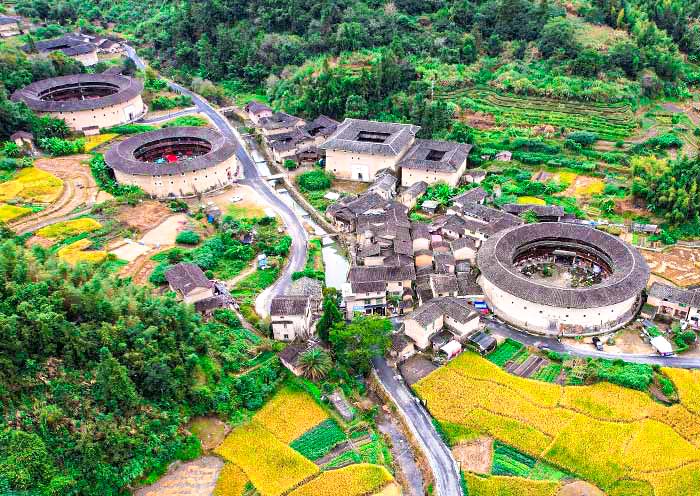
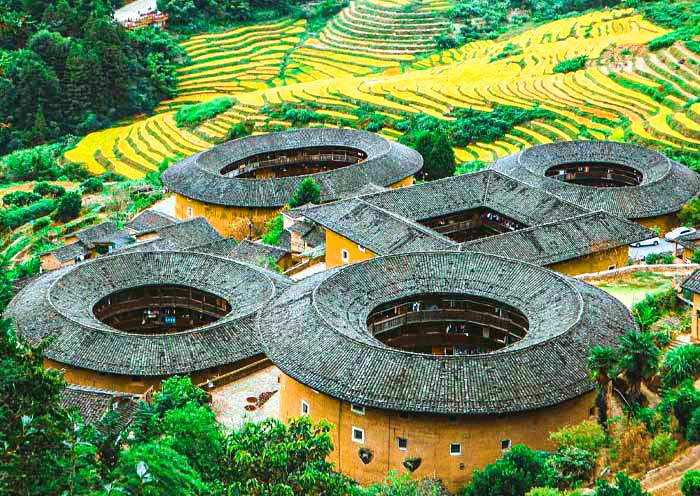
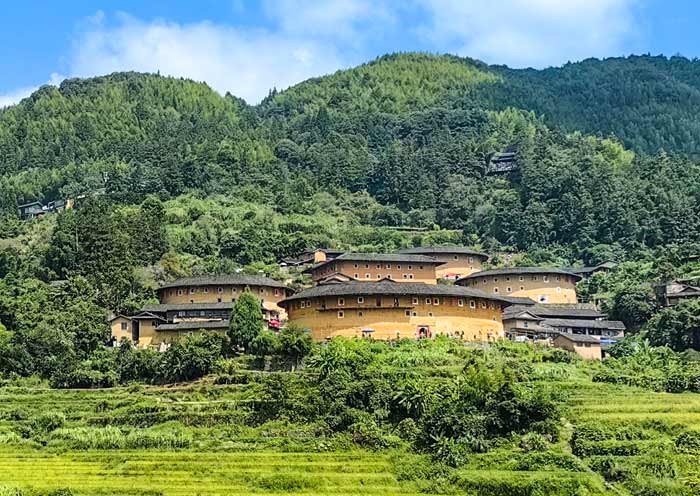
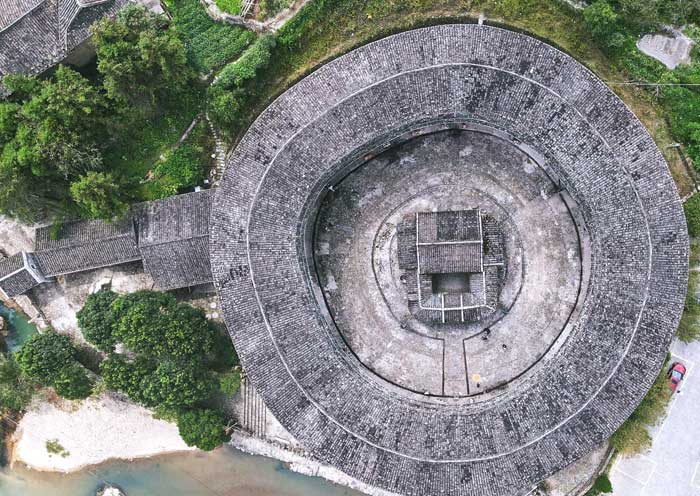
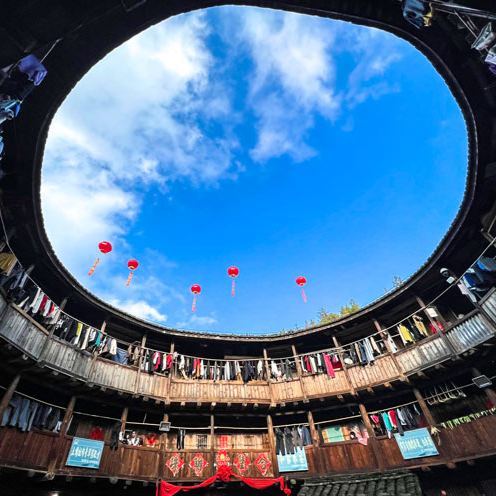
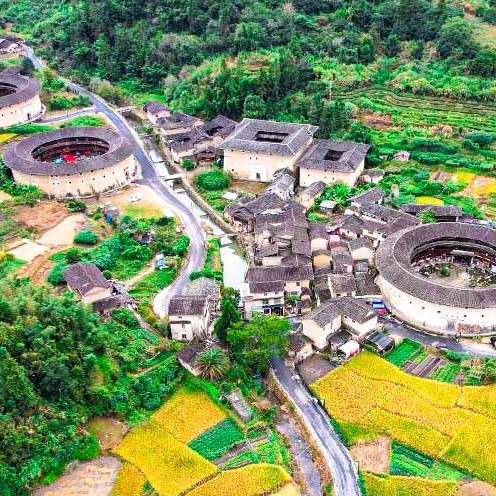
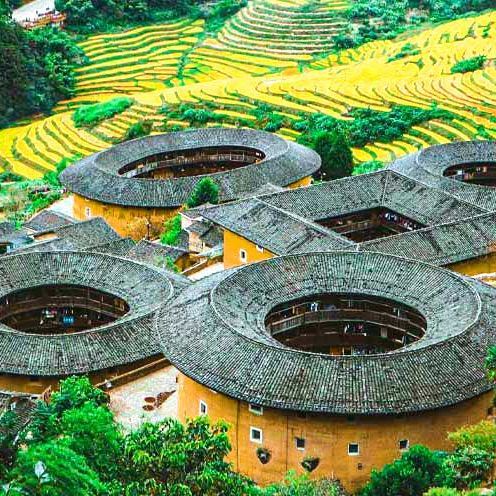
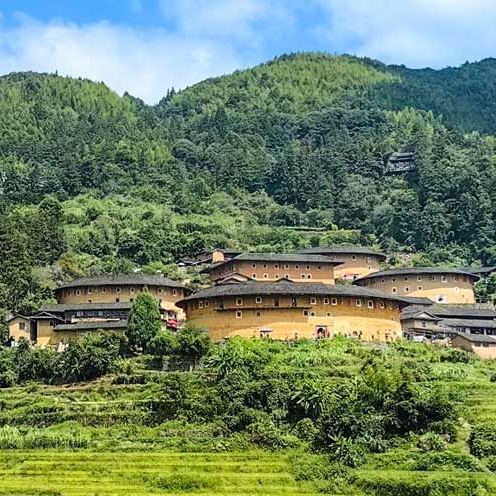
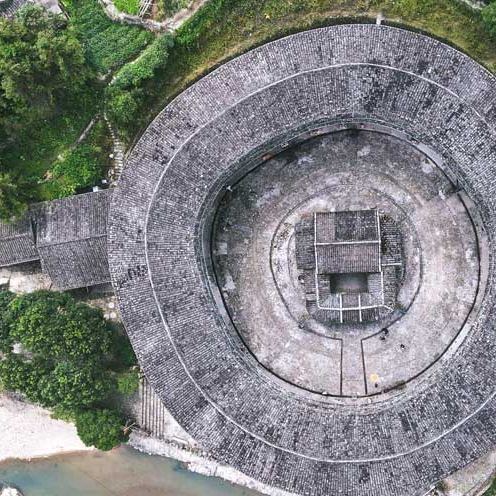
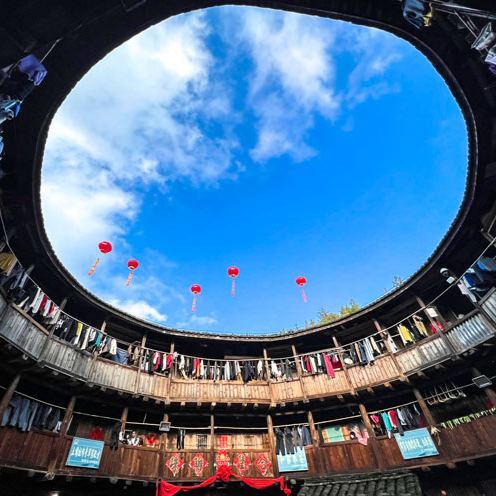
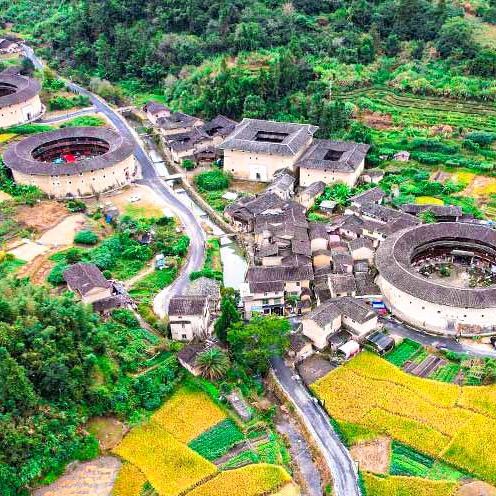
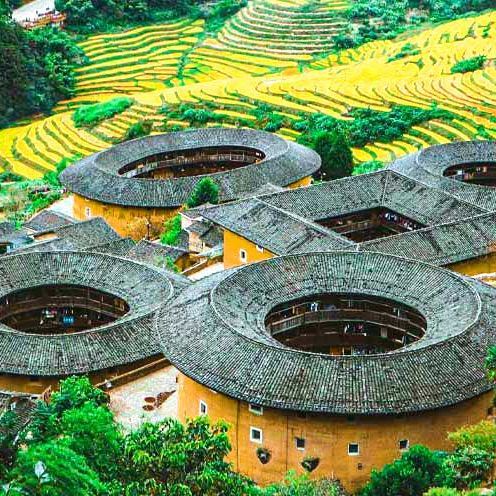
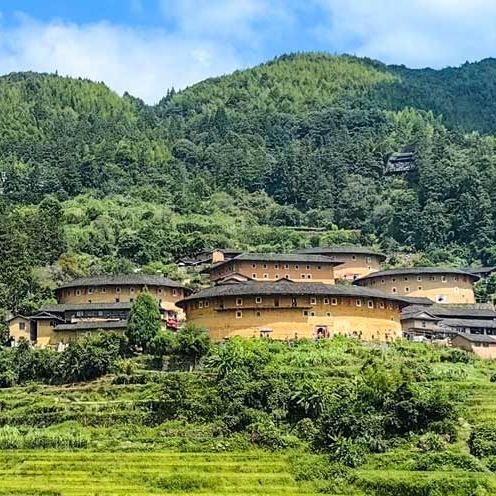
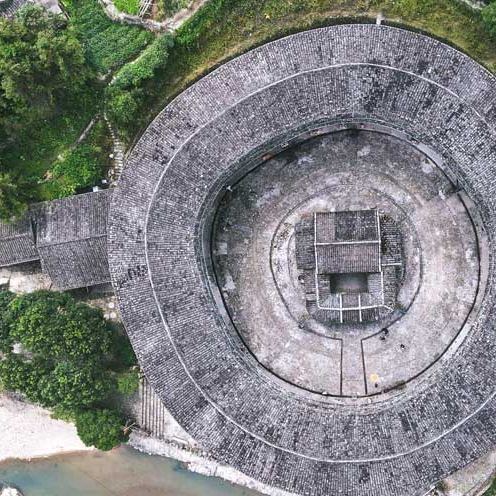
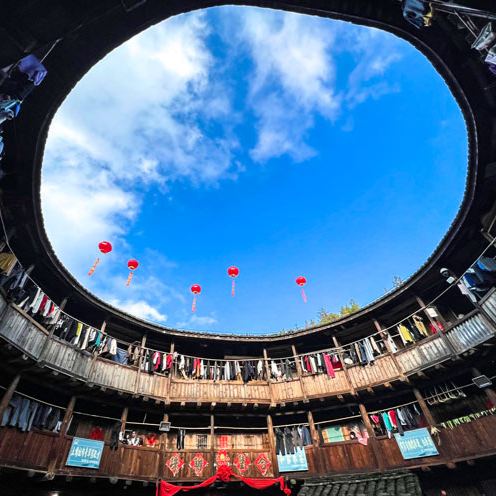
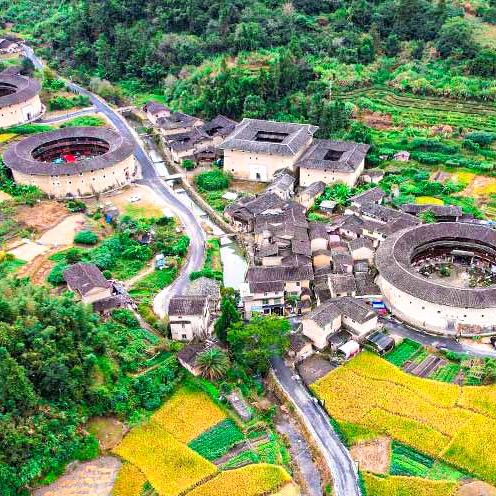
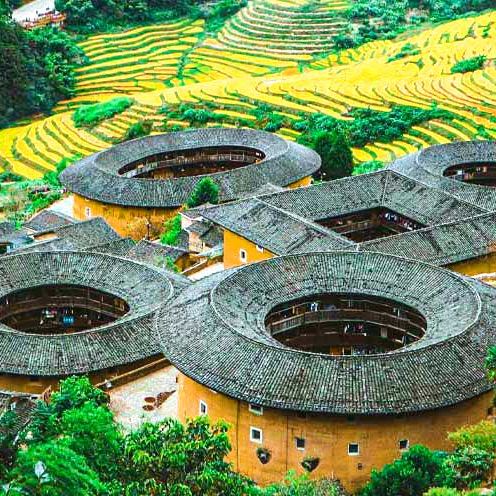
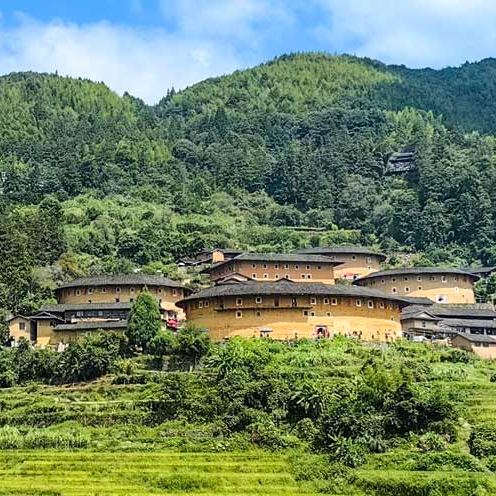
This morning, you will depart from Xiamen City and travel approximately 150 kilometers (about 2.5 hours) to visit the Tulou in Nanjing . There are over 15,000 existing Tulou buildings in Nanjing, representing the typical Hakka Tulou of Fujian and a gem of Chinese vernacular architecture, often described as "unique mountain village dwellings in the world." Among them, the Tianluokeng Tulou Cluster, Hekeng Tulou Cluster, Huaiyuanlou, and Heguilou were inscribed on the World Heritage List in 2008.
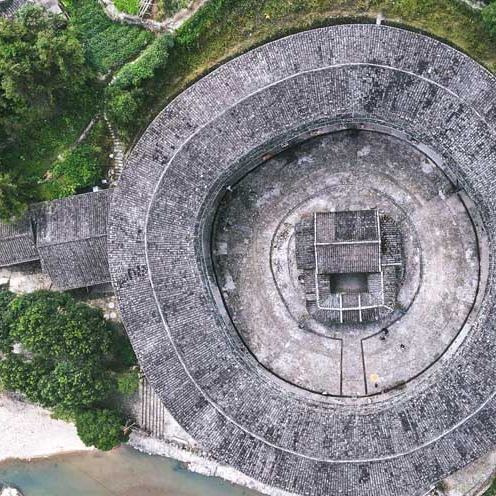
Upon arrival, we will first visit the Tianluokeng Tulou Cluster . Built in 1662, the Tianluokeng Tulou Cluster is a settlement of the Huang family Hakka people. It is famous for its unique layout, which resembles "four dishes and one soup". It is the most recognizable Tulou landscape in Fujian. It consists of one square building ( Buyunlou ), three round buildings ( Hechanglou , Zhenchanglou , and Ruiyunlou ) and one oval building ( Wenchanglou ). These five Tulou follow the layout of the five elements (metal, wood, water, fire, and earth) and are known as "a wonder of world architecture" and "an outstanding representative of Chinese Feng Shui architecture".
Recommended tour route: Upper viewing platform (overlooking the panoramic view of the "Four Dishes and One Soup" tulou, resembling "plum blossoms in bloom" or "flying saucer landing") → Buyunlou (symbolizing "rising to prominence," offering a panoramic view of Hakka life) → Hechanglou/Zhenchanglou/Ruiyunlou (perfect for capturing the courtyard view similar to that in the movie "Big Fish & Begonia") → Wenchanglou (the only oval-shaped tulou in Nanjing, symbolizing "prosperous literary fortune," offering beautiful views of the tulou and terraced fields) → Lower viewing platform (looking up at the tulou cluster and terraced fields, resembling the "Potala Palace")
Lunch will feature delicious Hakka cuisine , allowing you to experience the local Hakka lifestyle. If you're interested, you can also try the fragrant Hakka rice wine.
After lunch, we'll head to Xiaban (Ban) Village , nestled amidst flowing streams and terraced fields . Twelve ancient earthen buildings are scattered along the banks of the stream, with Yuchang Building being our highlight. Built in the late Yuan and early Ming dynasties (approximately 1308-1368), Yuchang Building is one of the oldest existing round earthen buildings in China, hailed as the "Father of Fujian Tulou." Its unique "leaning east and west" structure, with the 3rd and 4th floors leaning 15° clockwise and the 5th floor leaning counter-clockwise, has withstood over 700 years of wind and rain, earning it the title of "China's First Wonder Building." You can stroll and admire this architectural marvel, observe the daily life of the Hakka people living in the earthen buildings up close, or chat with the Hakka residents to learn more about the fascinating stories and unique folk culture of the earthen buildings. Also, remember to sample a cup of locally brewed oolong tea, which is exceptionally sweet and delicious.
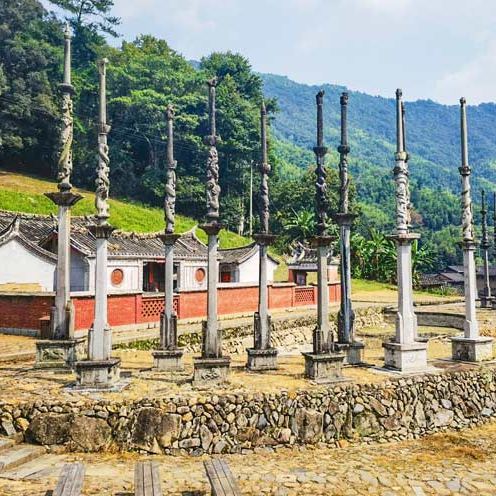
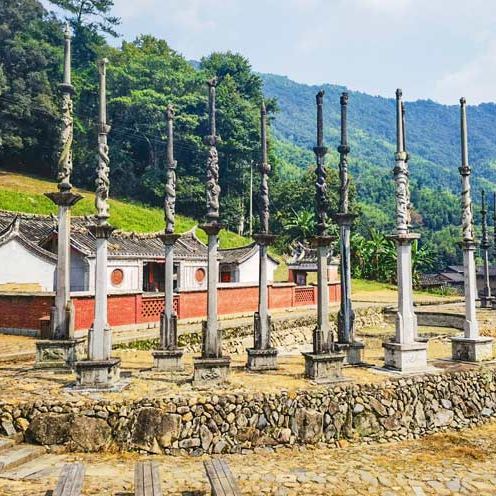
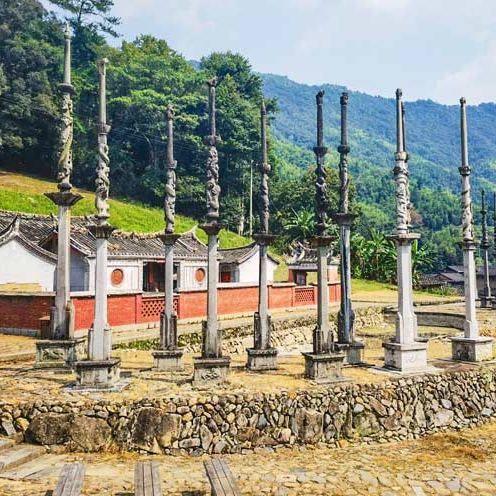
Afterwards, visit the Hakka ancient village of Taxia . Taxia Village is distributed in an "S" shape along a stream, with two round earthen buildings ( Yude Building and Shunchang Building ) on either side of the stream, resembling a Tai Chi symbol, earning it the nickname "Tai Chi Water Village." In addition, its beautiful environment, high-quality air and spring water, and the villagers' healthy lifestyle have earned it the reputation of a "Longevity Village." Furthermore, the village's 11 cement bridges and some earthen buildings were built with donations from overseas Chinese, showcasing the unique characteristics of this overseas Chinese hometown. You can stroll and admire the picturesque ancient village scenery and the various shapes of the earthen buildings, among which Yude Building (also known as the "Apron Building") and the Deyuantang Zhang Family Temple (the most complete group of 24 stone dragon flagpoles in China) are worth a closer look.
If you have more time, you can also visit the Hekeng Tulou Cluster, one of the most densely packed World Heritage sites in Fujian. It's renowned for its unique "Big Dipper" layout and the architectural marvel of interwoven square and round tulou buildings. Among them, Chaoshuilou (built during the Jiajing period of the Ming Dynasty, the oldest square tulou) and Yuxinglou (a modern round tulou) are particularly representative and well worth seeing. Additionally, you can climb the Lion Mountain viewing platform for a panoramic view of the "Big Dipper" and capture stunning travel photos. It's worth noting that the Hekeng Tulou Cluster was also the inspiration and filming location for Mulan's hometown in the Disney live-action film *Mulan*. If interested, you can visit the scenes featured in the movie.
Precautions:
1. When visiting the Tianluokeng Tulou Cluster, you can choose to walk or take a sightseeing bus.
2. Hekeng Tulou Cluster: After getting off the bus at the entrance, it takes about 15 minutes to walk to the main tulou buildings.
After the tour, we will return to our hotel in Xiamen to rest.


Meals: Breakfast and lunch included
Accommodation: Wuyishan
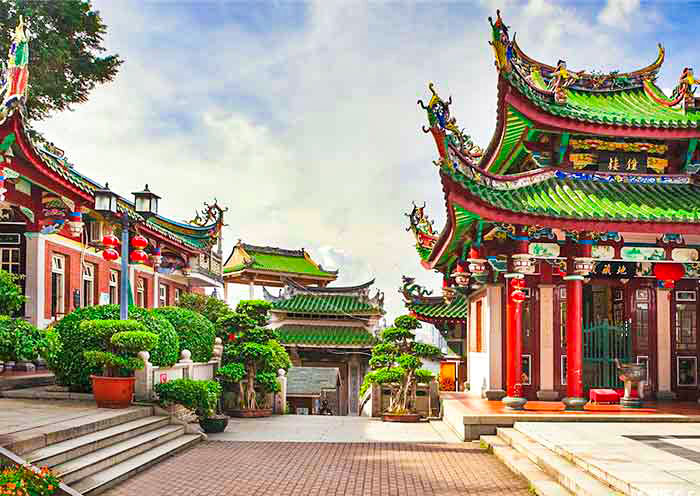
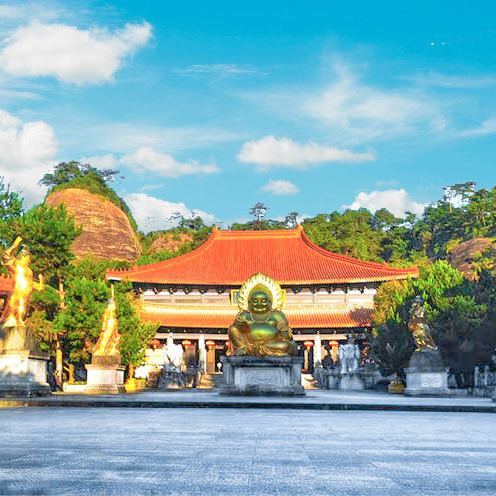
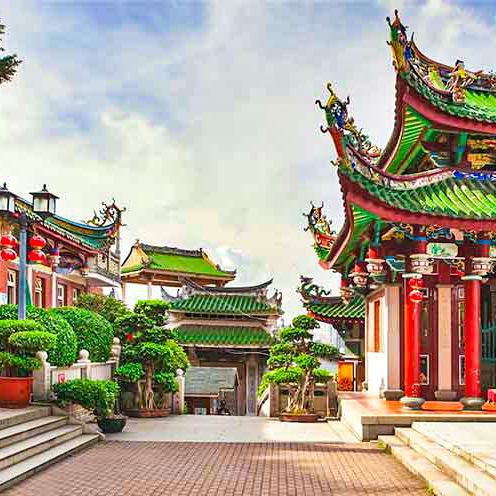
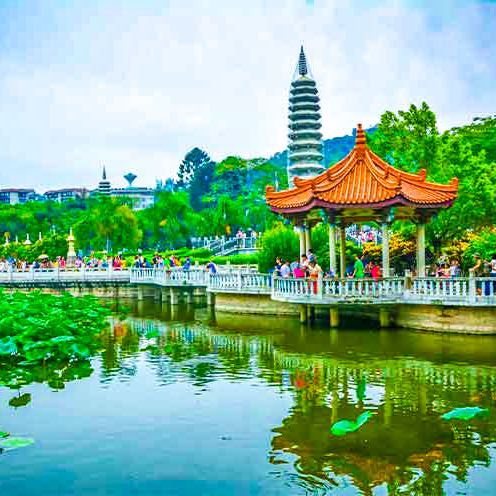
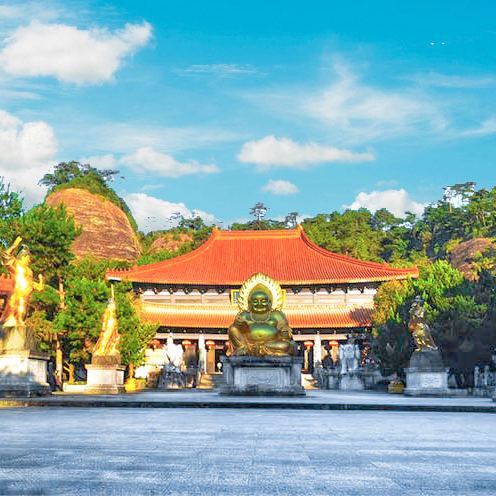
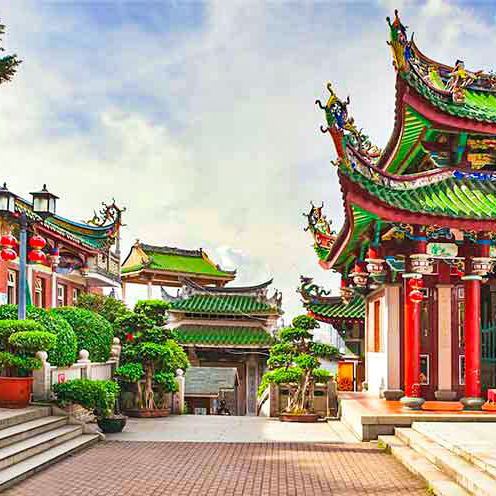
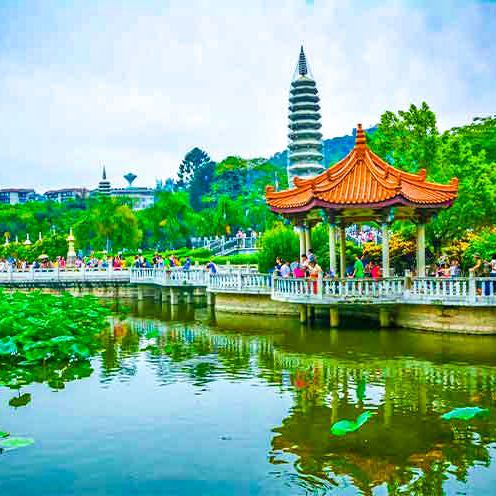
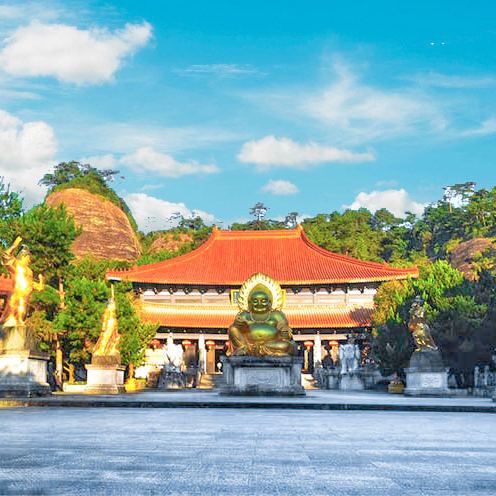
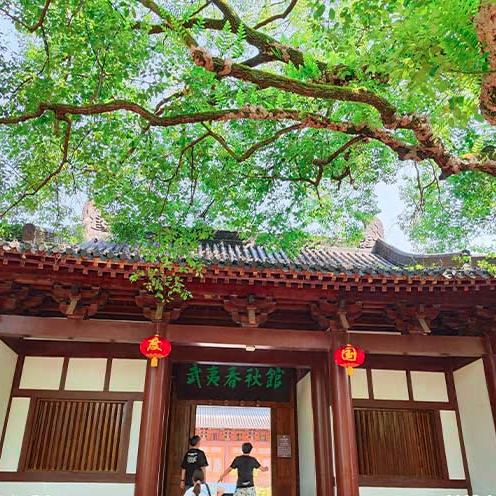
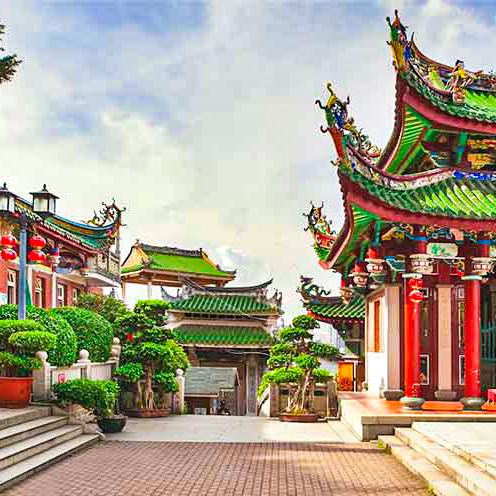
This morning, you can visit Nanputuo Temple , known as the "Holy Land of Southern Fujian Buddhism," and enjoy its tranquil atmosphere before the crowds. Founded in the late Tang and Five Dynasties period, Nanputuo Temple boasts over a thousand years of history and is one of the most famous temples in Fujian, the birthplace of the Southern Fujian Buddhist Academy, and one of the four major Guanyin Bodhisattva pilgrimage sites in China. Influenced by the culture of the Southern Fujian overseas Chinese community, it is highly popular in Southeast Asia, and there's even a folk legend that "visiting Nanputuo Temple once a year will spare you three years of suffering," ensuring its perpetually flourishing incense offerings. You can stroll and admire the serene temple scenery, taking photos of the magnificent and exquisite Buddhist buildings such as the Great Compassion Hall (a prime example of Southern Fujian Buddhist architectural art, renowned for its red bricks, glazed tiles, and octagonal triple eaves) and the Sutra Repository (which houses a copy of the Lotus Sutra written in blood during the Wanli period of the Ming Dynasty). If you're interested, you can also experience the vegetarian cuisine at Nanputuo Temple or try some traditionally made vegetarian cakes.
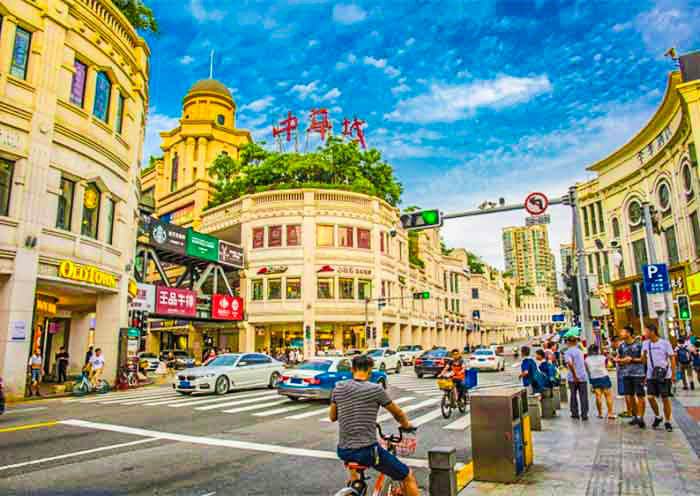
Afterwards, you can stroll along Zhongshan Road , Xiamen's most representative century-old street , and experience the rich old Xiamen atmosphere. Zhongshan Road is China's only pedestrianized commercial street that leads directly to the sea. The street preserves a large number of well-preserved Nanyang-style arcade buildings and historical relics, and is known as a "living fossil of modern Xiamen history." Here, you can immerse yourself in appreciating the simple and elegant Nanyang architecture, taste authentic local delicacies and snacks, and watch wonderful intangible cultural heritage performances such as Nanyin music and puppet shows.
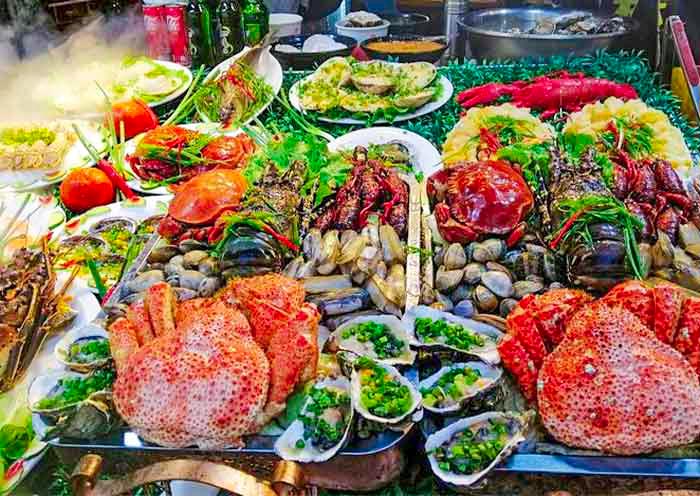
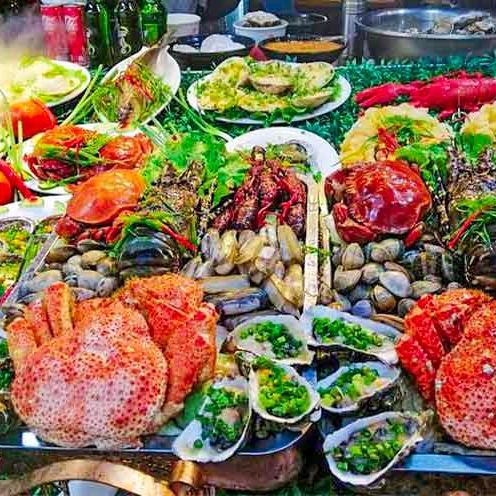
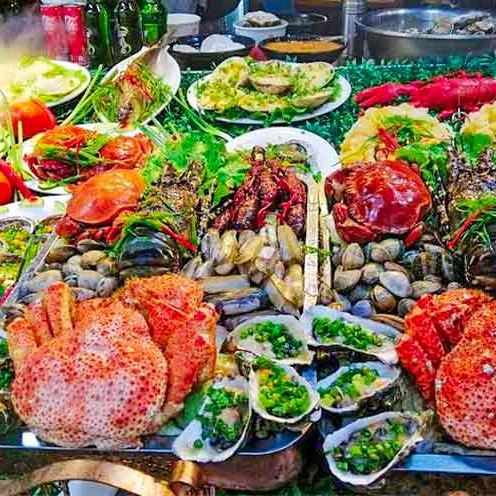
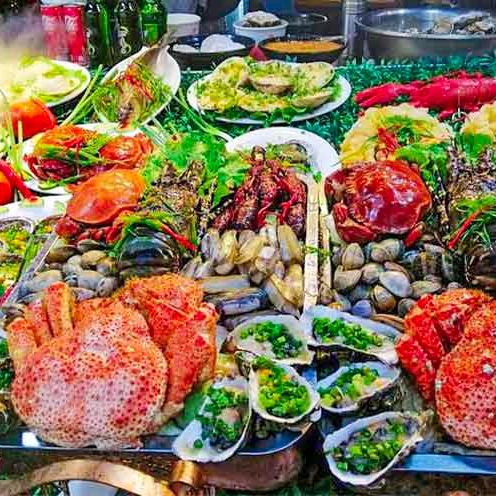
Alternatively, you can explore the alleys near Zhongshan Road to discover local life in Xiamen and try local Minnan delicacies such as satay noodles and oyster omelets. Seafood is a major highlight of Xiamen's cuisine, so you can visit the nearby Eighth Seafood Market to see less commonly seen seafood and sample local dishes. ( PS: If you decide to dine at the Eighth Market, be sure to negotiate the price before buying seafood to avoid any misunderstandings.)
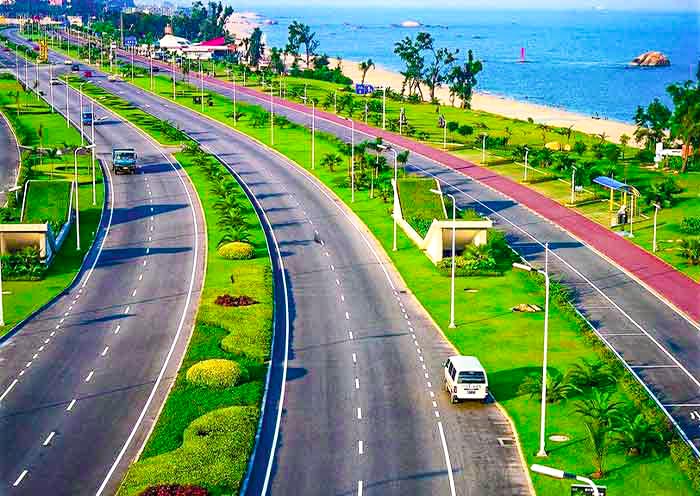
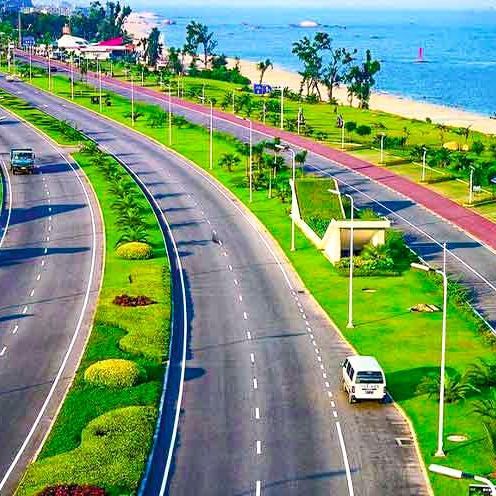
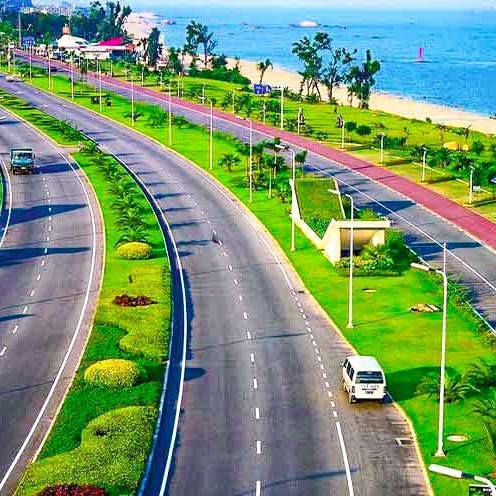
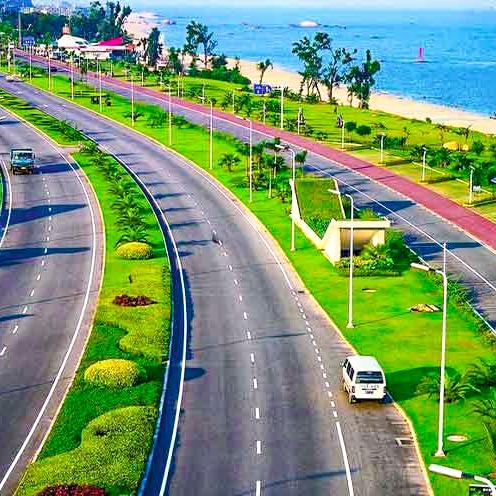
Afterwards, you can leisurely drive along the Ring Road , known as one of "China's most beautiful coastlines," enjoying the picturesque scenery of the seaside highway. Along the way, you can take in the subtropical coastal scenery of "blue sea and golden sand reflecting the red road, palm trees and flower sea accompanied by sculptures." If you want to fully enjoy the charming scenery of the Ring Road, you can stop and take your time to appreciate the views at places such as Coconut Wind Village (one of Xiamen's iconic seaside attractions, with a distant view of Kinmen Island), Baicheng Beach (where you can take photos of the Twin Towers and Orange Bay together in the evening), Huangcuo Beach (Xiamen's best sunrise viewing spot), and Zengcuo'an (China's most artistic fishing village).
After the tour, you will proceed to Xiamen Railway Station to take the high-speed train (approximately 2.5-3 hours) to Wuyishan . Our driver will meet you at the exit of Wuyishan Railway Station and escort you to our carefully selected hotel for check-in and rest.


Meals: Breakfast and lunch included
Accommodation: Wuyishan
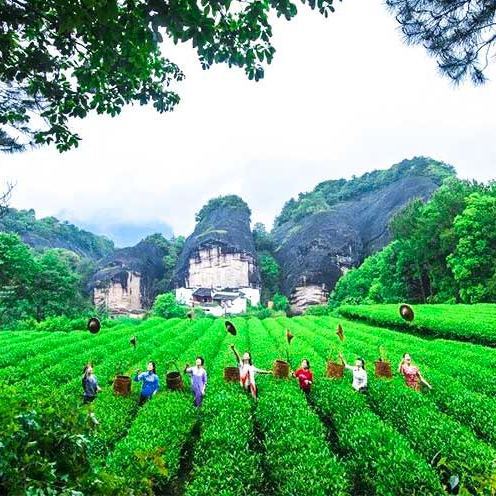
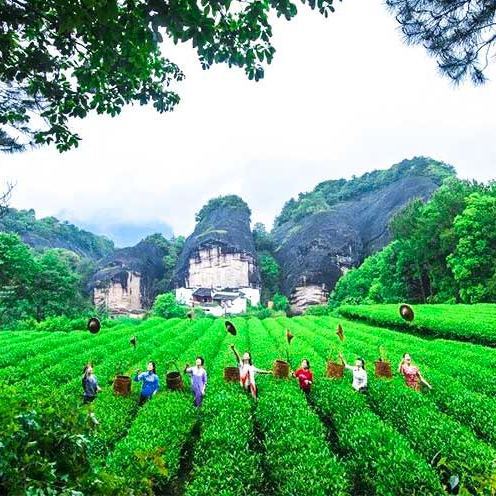
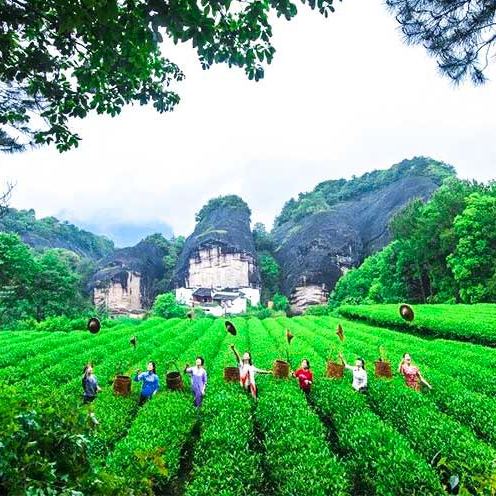
Wuyishan, located in northwestern Fujian Province, China, is a renowned World Cultural and Natural Heritage site. It is famous for its Danxia landforms, tea culture, and the integration of Taoism, Buddhism, and Confucianism, creating a unique landscape of "emerald waters and crimson mountains, poetry and tea blending harmoniously," earning it the reputation of "the most beautiful and unique place in Southeast China." As a sacred site of tea culture, Wuyishan is also the birthplace of oolong and black tea, with its mother tree, Da Hong Pao, hailed as the "King of Tea," renowned overseas.
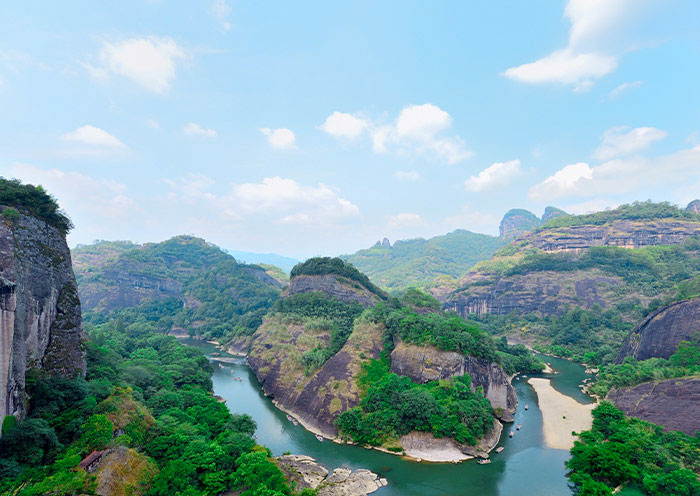
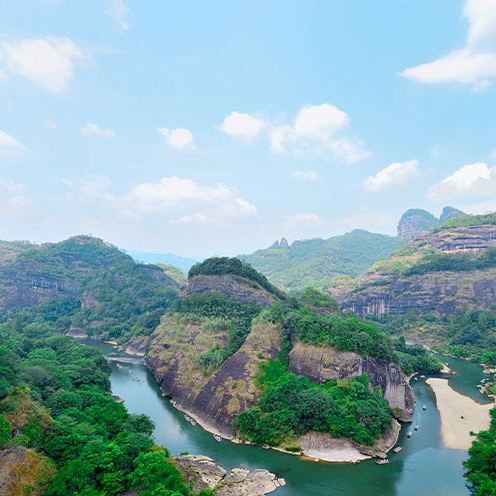
This morning, you will take a sightseeing bus to the foot of Tianyou Peak, one of the most famous and popular scenic spots in Wuyishan. Renowned as the "Number One Scenic Spot in Wuyishan" for its rugged terrain surrounded by streams on three sides and its sea of clouds after rain, Tianyou Peak is considered an essential part of Wuyishan's tourism. Locally, there's a saying: "A trip to Wuyishan is incomplete without visiting Tianyou Peak." The Ming Dynasty traveler Xu Xiake praised it, saying, "Even without standing by the stream, one can fully appreciate the beauty of the Nine Bends River; this peak truly deserves to be called the first." You will need to climb 848 steep steps to the summit of Tianyou Peak, where you can enjoy a 360° panoramic view of the magnificent Nine Bends River encircling the Danxia landforms. When shrouded in mist, it feels like being in a fairyland. Along the way, you can also check out the cliff carvings such as "First Mountain" and "Blessed Land and Grotto Heaven."
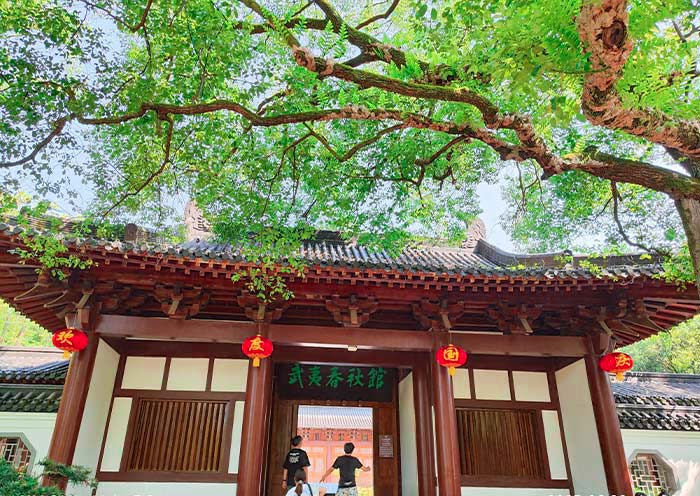
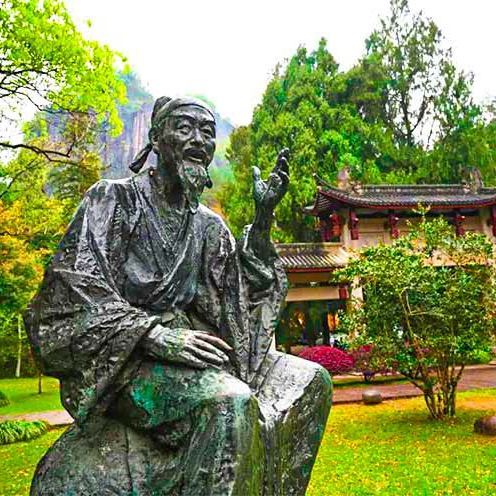
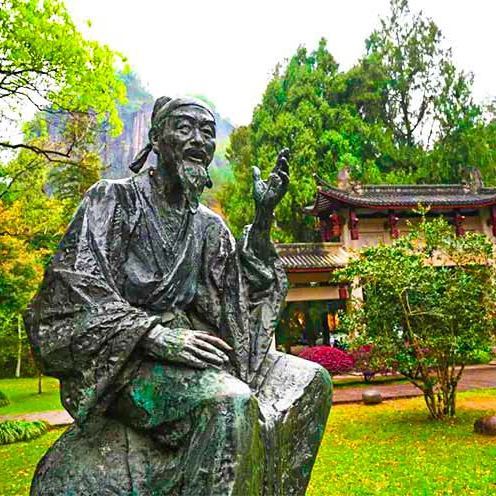
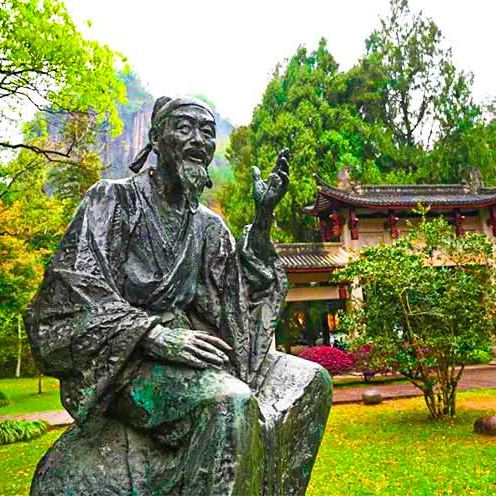
Afterwards, visit Zhu Xi Garden , hailed as a "sacred site comparable to Tsinghua and Peking Universities." Also known as Wuyi Academy, it was the place where Zhu Xi, the famous Neo-Confucian scholar of the Southern Song Dynasty, lectured, and is the birthplace of Zhu Xi's Neo-Confucianism. Strolling through Zhu Xi Garden, you can see precious historical relics and sites, gain a deeper understanding of Zhu Xi's life and Neo-Confucian thought, and immerse yourself in the philosophical concept of "taking reason as the foundation and cultivating oneself through understanding reason." If interested, you can also wear Hanfu (traditional Han clothing) and take stunning photos against the backdrop of the green-tiled, white-walled buildings blending with the surrounding landscape.
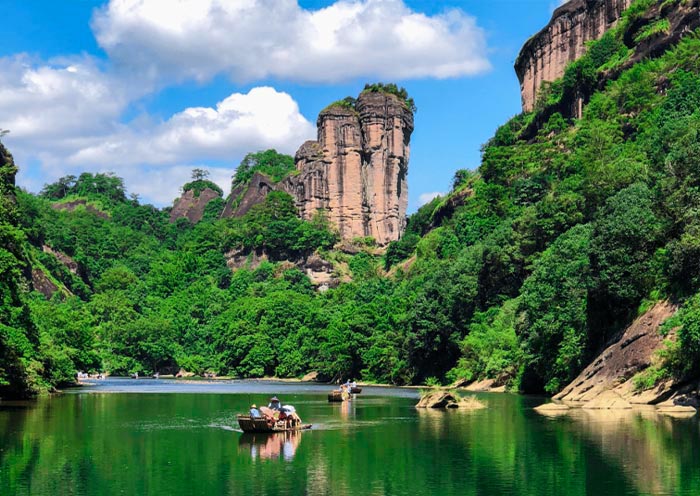
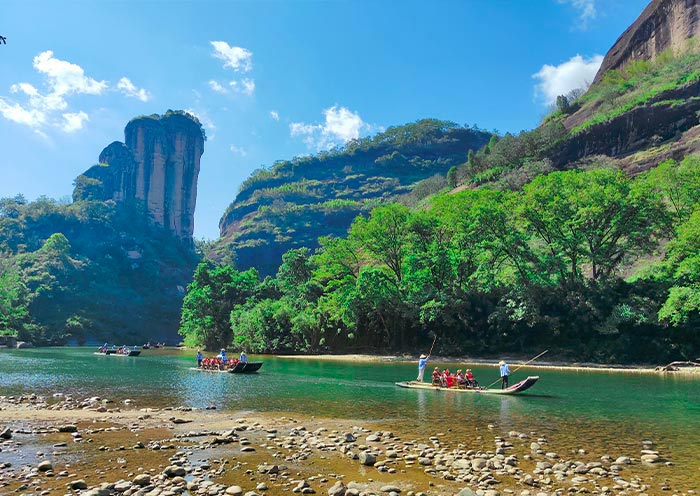
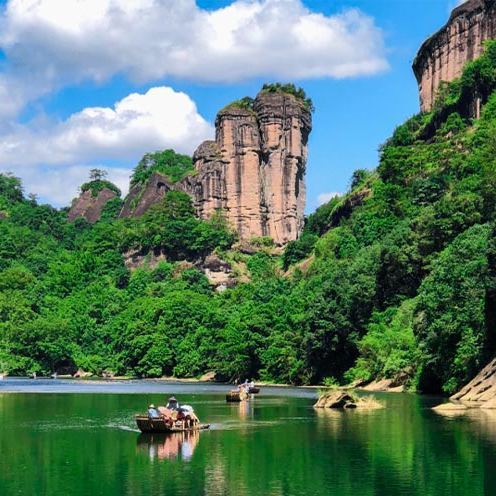
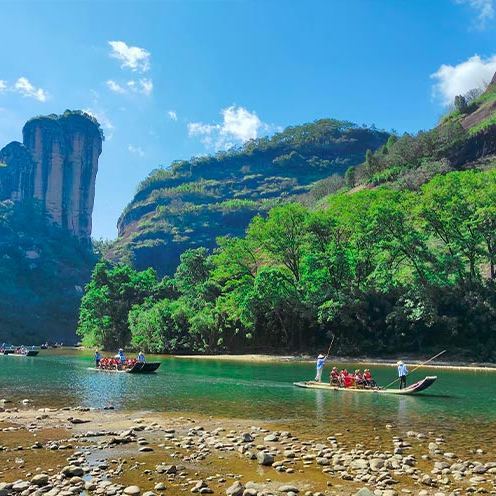
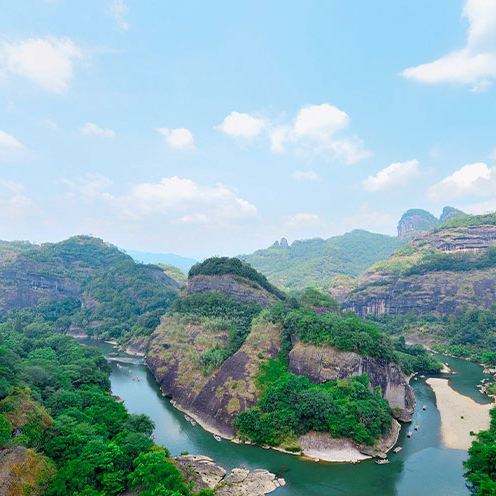
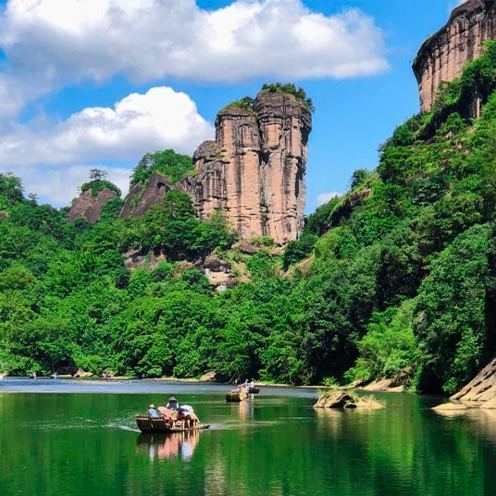
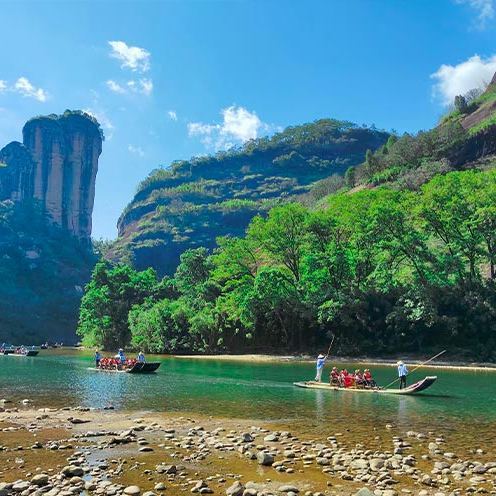
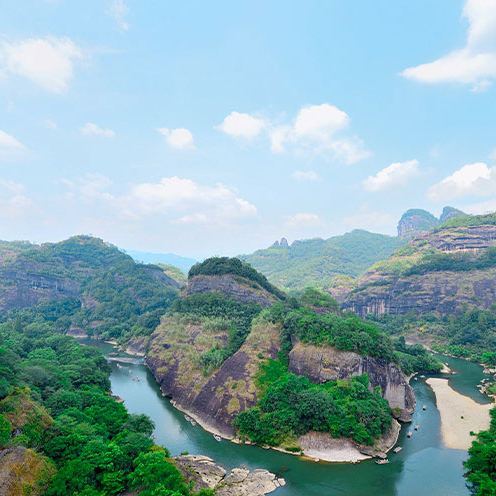
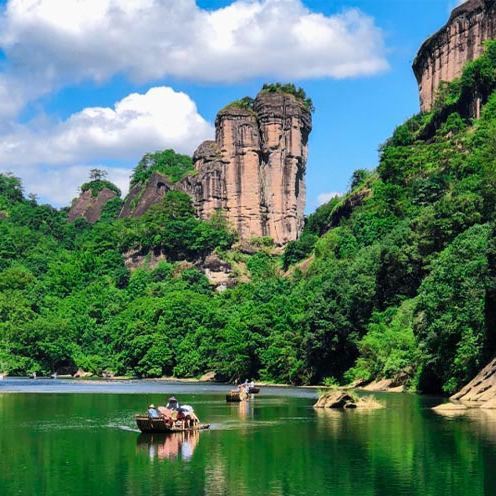
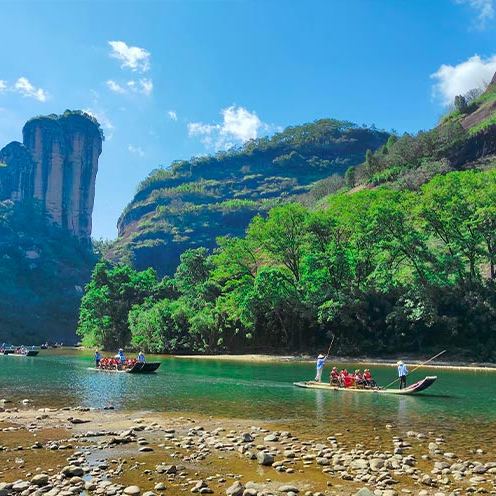
In the afternoon, we will visit the Nine Bend Stream , the essence of Wuyishan's "emerald waters and crimson mountains." The 9.5-kilometer-long river, with its "nine bends and eighteen turns," connects 36 peaks and 99 rocks, earning it the reputation of "China's most beautiful stream." You will then proceed to the Nine Bend Stream bamboo raft dock and embark on a bamboo raft journey down the winding Nine Bend Stream (approximately 1.5 hours). Along the way, you can admire the Danxia landforms such as Jade Maiden Peak and King Peak , stone carvings by literati from various dynasties including Zhu Xi , various uniquely shaped peaks and rocks, the ancient tea road, and the charming tea gardens. You can also visit filming locations from "Journey to the West," experience the beauty of "boating on emerald waves, a person traveling in a painting," and listen to the captivating thousand-year-old legend of "the fairy's love for the mortal world" and the mysterious story of the ancient Yue people's hanging coffins.
Finally, we arrived at the end of the Nine Bend Stream bamboo rafting trip – Wuyi Palace. Built during the Tianbao era of the Tang Dynasty, Wuyi Palace has a history of over 1200 years. Originally a place for emperors to worship the God of Wuyi, it is the oldest existing palace in Wuyi Mountain. Famous figures such as Zhu Xi , Lu You , and Xin Qiji once lectured or served here, earning it the reputation of being one of the "Six Great Temples of the Song Dynasty." Inside the palace, in the Wannian Palace (Zhu Xi Memorial Hall) , there are two ancient osmanthus trees dating back to the Song Dynasty, 800-900 years old. Legend has it that they were planted when the temple was built during the Southern Tang Dynasty. One of them was replanted by Zhu Xi and is known as the "King of Osmanthus," making it a very worthwhile place to visit.
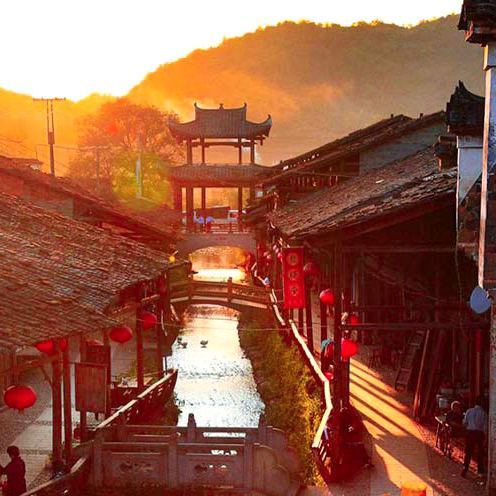
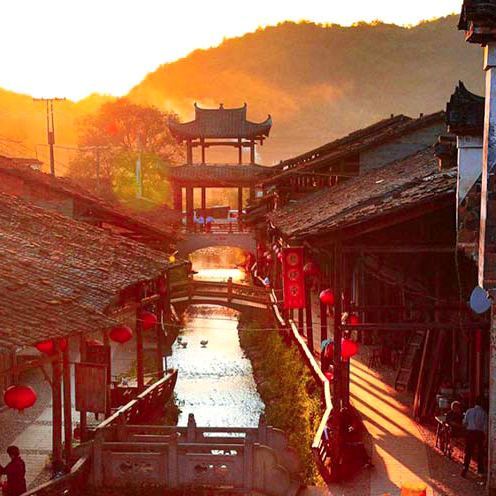
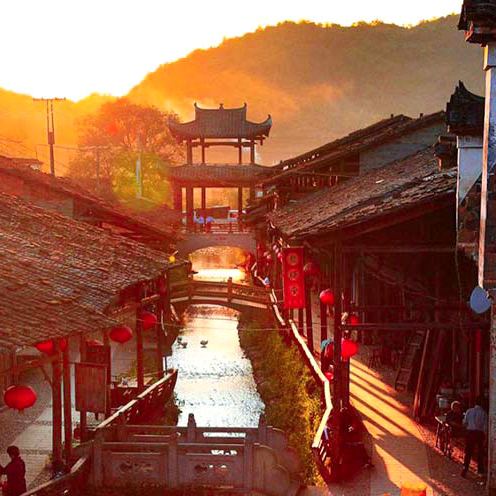
Afterwards, you will continue your journey to Song Street near Wuyi Palace. Song Street is a 300-meter-long pedestrian commercial street themed around Song Dynasty culture, often referred to as a "thousand-year-old Song Dynasty corridor." You can leisurely stroll along it, admiring the distinctive Song Dynasty architecture, experiencing Song Dynasty tea ceremony and Jianzhan (a type of ancient Chinese teacup) making, or sampling local delicacies such as Da Hong Pao milk tea and Xiaomu cakes, immersing yourself in the elegant Song Dynasty lifestyle of "tea banquets and gatherings." Furthermore, taking photos in Hanfu (traditional Han clothing) on Song Street is a highly recommended activity, especially in the evening when the atmosphere is even more beautiful.
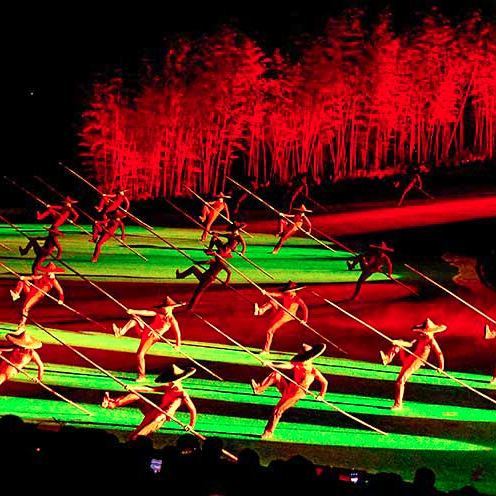
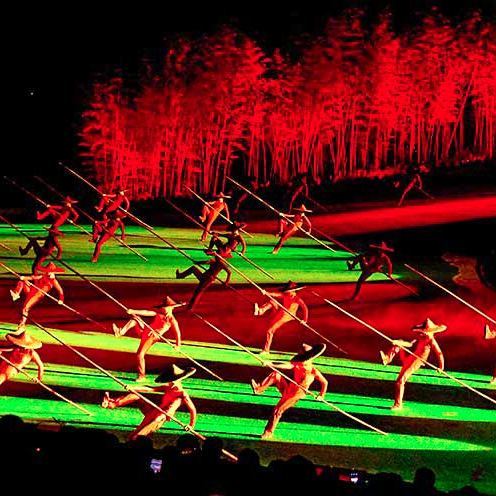
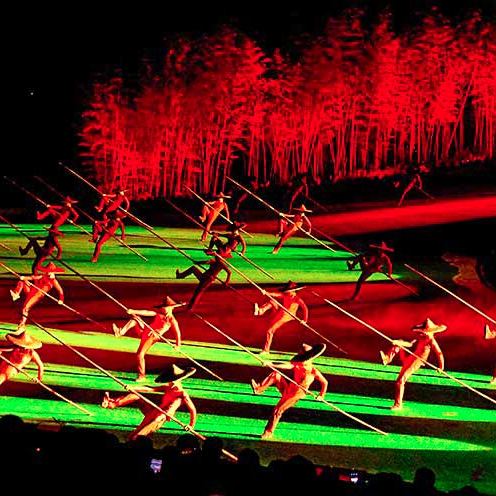
Evening optional activity: "Impression Dahongpao" (7:30 PM - 8:40 PM)
In the evening, you can choose to watch the world's first 360° rotating live performance on the theme of tea culture, created by Zhang Yimou's team. Set on the Wuyi Mountains and rivers, the performance blends the legend of Da Hong Pao tea, tea-making techniques and folk art, accompanied by traditional Chinese music and advanced special effects, allowing you to immerse yourself in a visual and auditory feast where mountains, water and tea blend together.


Meals: Breakfast and lunch included
Accommodation: /
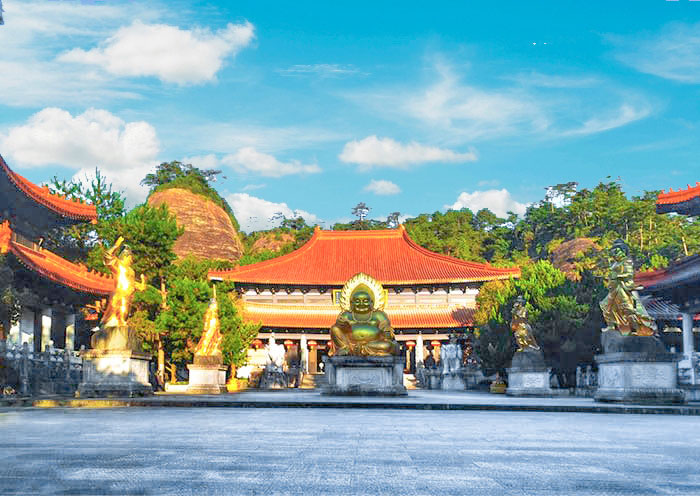
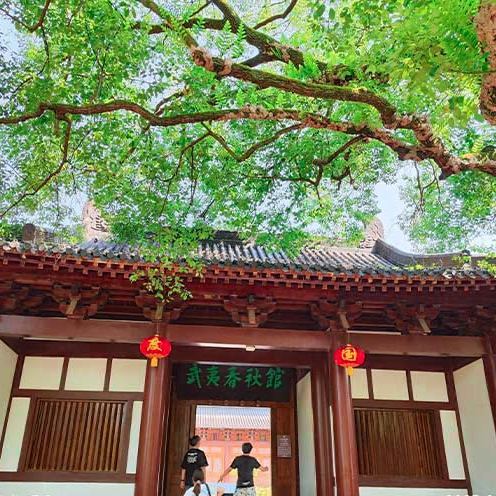
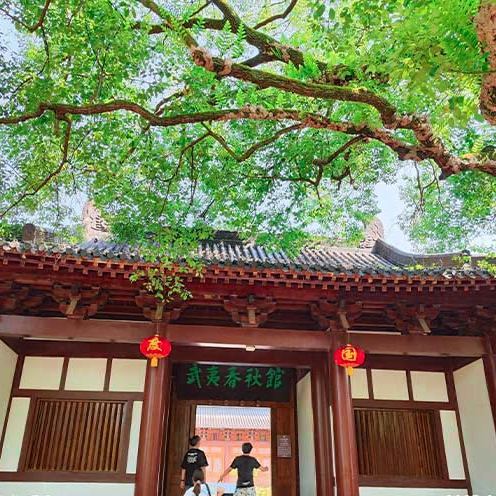
Today, you will delve into the long-standing tea culture of Wuyishan. After breakfast, you will take a sightseeing bus to explore the Da Hong Pao Scenic Area and visit the Tianxin Yongle Zen Temple , an ancient temple with a history of over 1200 years. It is the largest Buddhist temple in Wuyishan and the most complete Ming and Qing Dynasty imperial temple in Fujian. During the Ming Dynasty, it became the birthplace of Da Hong Pao culture due to the legend of "the top scholar wearing a red robe on a tea tree", which is full of mystery.
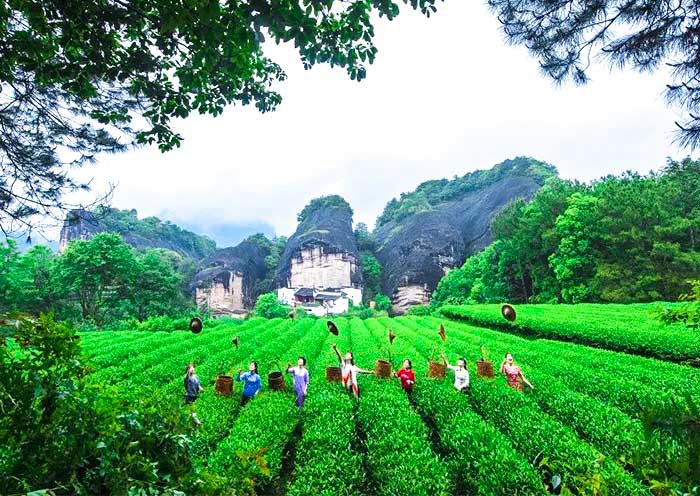
After visiting the temple, you can leisurely stroll through the Da Hong Pao tea garden , admiring the 360-year-old ancient tea tree— the mother tree of Da Hong Pao—and the picturesque scenery of the tea garden with its unique rocky and fragrant foliage. You can also take photos of the cliff carvings on the Danxia landforms and capture scenes of tea farmers picking tea. If you are interested, you can also deeply appreciate the "tea and Zen in harmony" tea culture of Wuyishan in the teahouse and taste the legendary Da Hong Pao and other famous teas.
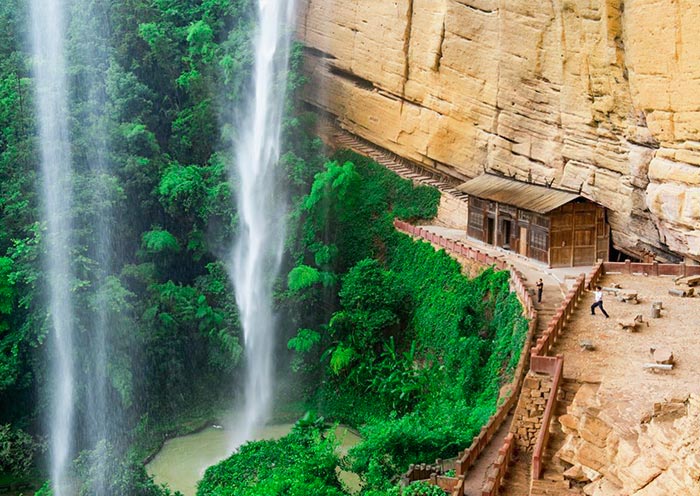
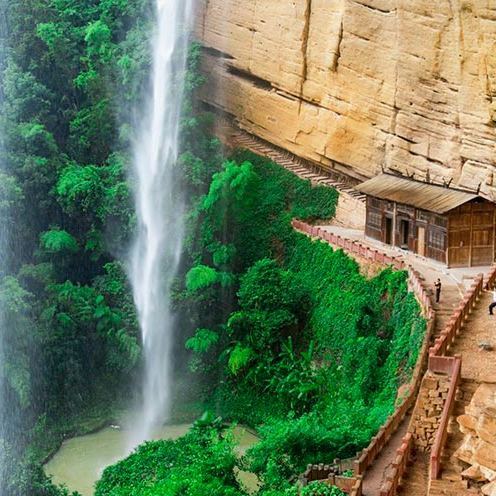
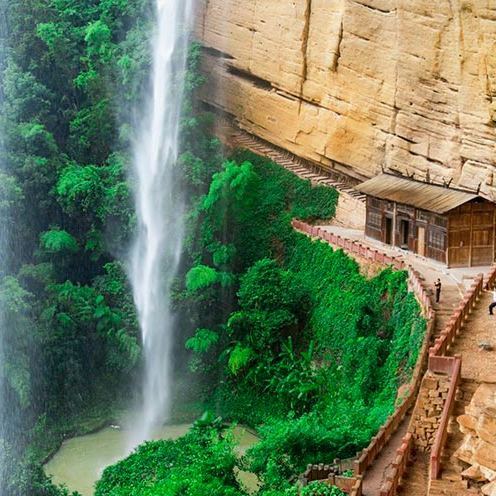
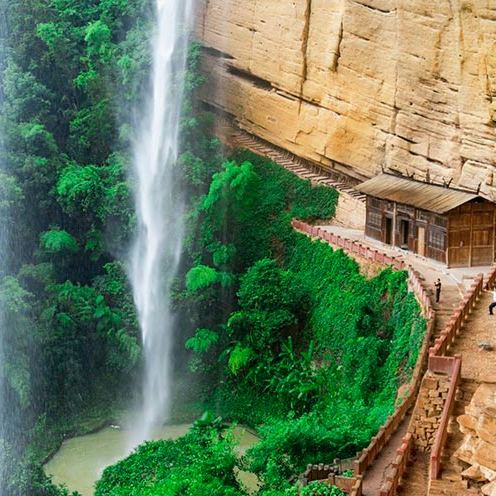
Next, continue to the largest Danxia cave in Wuyishan – the Water Curtain Cave – to admire the magnificent Danxia waterfall and experience the philosophical atmosphere of Zhu Xi's famous line, "How can the water be so clear? Because it has a living source." During the rainy season, you can see the hundred-meter-long waterfall like a beaded curtain; during the dry season, you can see the tranquil beauty of pearls hanging down.
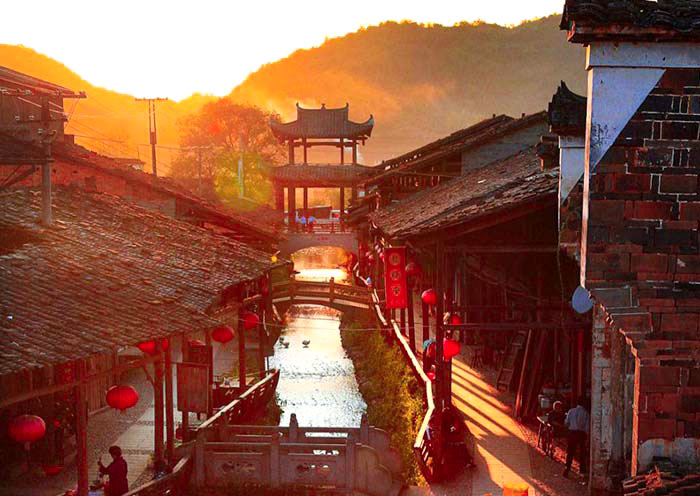
Finally, we visited Xiamei Village , located about 8 kilometers east of Wuyi Mountain . This is a famous historical and cultural village in China and the starting point of the "Tea Road," a route spanning Asia and Europe. During the Qing Dynasty, Shanxi merchants exported tea from here to Russia and later to other Central Asia and European countries. The village boasts over 30 ancient Ming and Qing dynasty residences renowned for their brick, wood, and stone carvings, blending Shanxi merchant architectural styles with the local characteristics of northern Fujian, making them quite unique. Examples include the Zou Family Ancestral Hall and the Daifu Residence .
After the tour, this wonderful and unforgettable 5-day trip to Xiamen and Wuyishan in Fujian will come to an end. Our driver will then take you to the airport/train station for your next destination.
Thank you for choosing Huangjia International Travel Agency. We are happy to provide you with excellent travel services for your trip to Xiamen and Wuyishan in Fujian. We look forward to serving you again on your future trips in China and embarking on new and exciting journeys together.


Fee Description
1. Based on your travel needs, you can specify the accommodation standard for your itinerary, such as 3- to 5-star hotels.
2. Travel prices may fluctuate depending on travel dates, group size, hotel class, and other factors.
Included in the fee
Tour guide: Chinese/English speaking tour guide provided throughout the trip.
Entrance fees: First entrance fees to the attractions listed in the itinerary
Transportation: Vehicle type will be arranged according to the number of participants, ensuring one seat per person.
Accommodation: Hotels listed in the itinerary (star rating optional)
Meals: Meals as listed in the itinerary (breakfast included at the hotel)
Service: Our service begins with your initial consultation and continues until the end of your trip, providing you with personalized one-on-one support throughout.
The fee does not include
Documents: Visa
Activities: Optional activities and special attractions recommended in the itinerary.
Hotel: Personal expenses within the hotel such as laundry, hairdressing, telephone, fax, pay TV, drinks, and tobacco.
Other: Additional costs incurred due to force majeure events such as traffic delays, strikes, weather, aircraft or mechanical failures, flight cancellations or schedule changes, and any costs not mentioned in the inclusions.
Travel Tips
1. Tourists to Fujian can enjoy a 240-hour visa-free transit policy.
Fujian Province has implemented a 240-hour visa-free transit policy for travelers from 54 countries. Travelers can enter the country for a stay of 240 hours (10 days) without a visa by holding a valid international travel document or a connecting ticket (airplane ticket, ship ticket, train ticket) to a third country/region.
These 54 countries are:
Six Asian countries: Singapore, Japan, South Korea, Brunei, the United Arab Emirates, and Qatar;
Six countries in the Americas: the United States, Canada, Brazil, Mexico, Argentina, and Chile;
Two Oceania countries: Australia and New Zealand;
Fifteen other European countries: United Kingdom, Russia, Ireland, Cyprus, Bulgaria, Romania, Ukraine, Serbia, Croatia, Bosnia and Herzegovina, Montenegro, Macedonia, Albania, Monaco, and Belarus;
The 25 European Schengen Visa Agreement countries are: Germany, France, Italy, Spain, Netherlands, Switzerland, Sweden, Belgium, Austria, Finland, Czech Republic, Denmark, Estonia, Greece, Hungary, Iceland, Latvia, Lithuania, Luxembourg, Malta, Poland, Portugal, Slovakia, Slovenia, and Norway.
2. The itinerary can be customized to your needs.
If you have better suggestions for the above itinerary or other travel ideas, please feel free to contact us. Our professional travel consultants will customize a Fujian travel itinerary that best suits your needs and budget.
3. Extend this trip to China
If you have ample time and plan to visit other tourist destinations in China, you can also contact us to plan other itineraries within China, such as Shanghai, Hangzhou, Suzhou, Guangzhou, Shenzhen, Hong Kong, Macau, Beijing, Xi'an, Zhangjiajie, Yunnan, Harbin, Tibet, Xinjiang, etc. Simply tell us your preferred destinations and attractions, and our professional travel experts will plan the most suitable itinerary for you at the best price.
Why choose us?
More favorable fees
Enjoy the best deals on transportation, accommodation, tickets, and tour packages.
Early bird bookings also come with huge discounts.
Exclusive travel consultant
Experienced travel consultants provide you with professional travel services 24/7.
One-stop support for ticket bookings and problem solving - a proven track record of excellence over the past decade.
Over 90% of regular and repeat customers choose to travel with us again.
The best travel experience
Experience the true local landscape, culture, and cuisine.
Enjoy a high-quality trip with no shopping stops, explore and discover the true joy of travel.
More professional services
Experienced drivers and guides ensure your safety and enjoyment during your trip.
Our comprehensive customized packages cater to your needs across all levels of travel.
A comprehensive and thoughtful refund and cancellation service helps you prevent and reduce travel risks.